
Summer is in full force, and we’re starting to see consistently warm temperatures with very little precipitation. As we know, keeping a garden and yard lush and productive requires a fair amount of water, and at this time of year, especially later in the summer, water can become scarce with regional watering restrictions and low reserves. Whether you’re on a well system or city water, there are always ways to conserve water or develop storage solutions for supplementing late summer watering. We’ll cover a few ways that you can conserve water or prevent excessive evaporation.
Important! Be sure to check on any local water restrictions that might be in place that will limit when you can water your garden. Here’s an excellent place to start > https://www.crd.ca/environment/water-conservation/watering-schedule/.
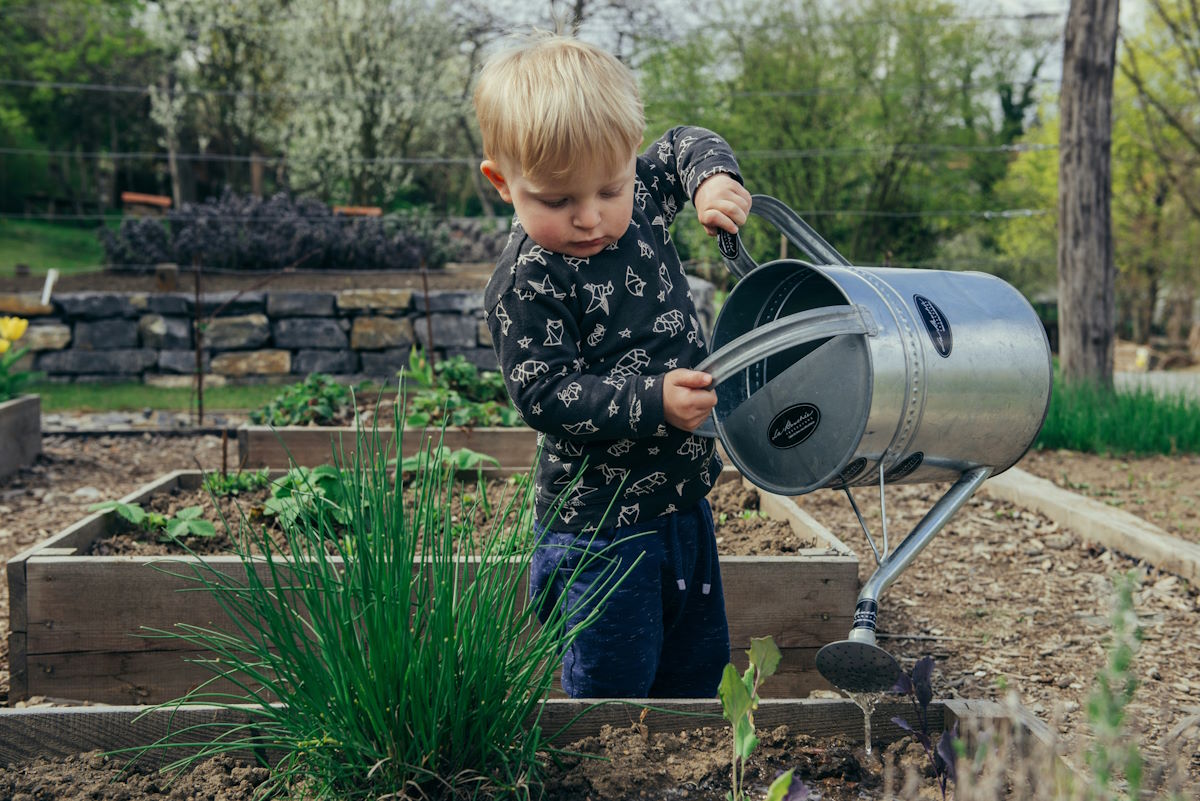
When You Water Makes a Difference
The time that you water your garden makes a huge difference in the level of moisture that burns off due to heat and direct sunlight. Try to water before the temperatures begin to climb for the day. A common statistic is that up to 50% of garden watering is lost to evaporation, wind, and runoff. The morning is the best time to water as the temperatures are cool and the soil will have more time to absorb the water in preparation for the day’s heat, as well as giving more time to reach the plants’ roots.
Water For Longer, And Less Often
In the hot weather, it’s crucially important that your watering reaches deeper into the soil to the plants’ roots, or it’s not even worth your time. Shallow watering will just dampen the top layer of soil and make it more susceptible to runoff and evaporation. When you water deeply, you ensure that your plants get access to the water as it drifts deeper into the soil. The deeper the water travels, the cooler the soil becomes and the longer it sticks around. Give your plants a good soaking rather than inefficient daily sprinklings to make a real impact on your garden!
Check the Soil Before You Water
A side effect of the deep soaking is that you don’t have to water as often. When employing this technique, don’t just water for the sake of watering; check the soil first to see if you even need to. It’s incredibly easy to test your soil; just jam your fingers into the dirt a few inches down and see if it’s still damp. If it is, skip the watering. If not, run your deep watering strategy. You’ll likely find that after a couple of deep waterings, your soil retains more of the water for longer. Save yourself some time and precious water by giving the dirt a quick poke.
Use Drip Irrigation or Sprinklers
Watering takes up the most time for any gardener. You have to be patient and deeply soak everything. That’s a lot of time just standing around holding a garden hose. If you’re going to drag around a 50- or 100-foot hose full of water, why not consider setting up a soaker or micro-watering system? The time spent setting up your irrigation will save you a huge amount of time down the road. If you tend to plant similar things each year, you just leave the lines in place.
Mulching and Ground Cover
Mulching is an excellent way to prevent excessive evaporation of precious water from your plants and vegetable gardens. Mulching covers the soil around your plants and prevents direct sunlight, while also lowering the temperature of the soil. Anything will help. Mulching is a multi-effect strategy as it will reduce the warming of the soil and limit runoff, as well as suppress weed growth. Weeds are another factor that reduces the effectiveness of watering, as they rob your intended plants of moisture. Limiting weed growth ensures that most of the water is reserved for the plants of your garden. From landscaping fabric to wood chips to live ground cover, there are heaps and heaps of mulching options out there. Do your diligence and pick the one that works for you in your situation.
Time of Day Matters!
Another very important trick to adding efficiency to your watering is the time of day that you choose to water. Water only during the early morning or evening when there’s no direct sunlight on the plants and the sun is lower in the sky. These are also the cooler times of the day when your plants have a better chance of soaking up the water before the heat of the day evaporates much of the surface water.
If you’re watering with a nozzle or gun-type sprayer, always do this in the evening, as you can run the risk of burning the leaves of your plants if they are still damp when the sun hits them. Either way, just be sure there’s no direct sunlight on the plants and soil, and you’ll save a lot of water.
Ditch the Grass for Drought-Proof Landscaping
Lawns are insanely water-hungry. They provide nothing of substance and require the most watering of anything in your yard. On average, a very small 500 sq foot patch of lawn will need roughly 12,000 – 15,000 litres of water each year to stay ‘green’. That is an extreme amount of water for something that could be considered curb appeal. By replacing your lawn, or a good portion of it, you can maintain an appealing yard while also saving your home from thousands of litres of water that could get pricey if you rely on city water and receive a bill for it.
Rain Runoff Capture
An excellent way to supplement your watering is to build a rainwater catchment setup. This can be anything from a couple of 55-gallon drums to large cisterns of 1000 gallons or more! It’s completely free, and it just requires that you tie into one of the downspouts from your gutters. You can quickly gather hundreds of litres of water in a short amount of time, so this is a very effective way to conserve water and save on your water bill. When setting up your water catchment, consider building a platform that’s a few feet off the ground so that you can easily ‘gravity feed’ your hose coming off the drums.
Those are just a few of the many ways that you can conserve water or ensure that your watering is as efficient and effective as possible! If you’re looking for some design ideas on a lawn-to-hardscape conversion/transition, give us a call or fill out our online quote form for a free quote, and someone will reach out to you asap!